
- info@greathimalayastrek.com
- Kailash Manasarovar Departure Date 2025
 Quick Information
Overviews
The Naar Phu Valley Trek offers a
breathtaking journey through one of Nepal’s most remote and culturally rich
regions. Located in the Annapurna Region, this trek immerses adventurers in
stunning landscapes, traditional Tibetan culture, and diverse ecosystems, all
while showcasing the majestic Himalayan backdrop. The trek typically begins
with a drive from Kathmandu to Dharapani, where you’ll start your hike through
picturesque villages and lush forests. From Dharapani you’ll trek to Koto from
where Annapurna Circuit Trek and Naar Phu Valley Trek separates. From Koto, the
trail leads to the stunning Naar Phu Valley, where you can explore charming
villages like Phu Gaon. Here, the Tashi Lhakhang Monastery and traditional
lifestyles offer a glimpse into the area's rich cultural heritage. Acclimatization
day in Phu allows trekkers to engage with locals as they spin yak wool, prepare
mustard oil, and partake in daily routines. For a challenge, consider hiking to
Himlung Base Camp, where herds of blue sheep can be spotted amidst the dramatic
glacial scenery. After exploring Phu, the trek continues to Naar, a more lively
village, where visitors can witness women weaving wool fabric and enjoy a stay
in comfortable lodges with local cuisine.
This trek includes the ascent to
Kang La (5,306 m/17,409 ft), which offers unparalleled views of the Annapurna
range. The trek to Kang La takes you through stunning glacial valleys before a
challenging ascent to the pass. From the summit, the vistas of Machhapuchhare,
Tilicho Peak, and the Manang Valley are nothing short of spectacular. The trek
concludes with a descent to Upper Pisang (3,300 m/10,827 ft) and further down
to Koto, where the journey toward Naar Phu Valley began. This section balances
cultural immersion and natural beauty, with opportunities to explore
traditional Tibetan villages, terraced fields, and scenic landscapes.
The Naar Phu Valley Trek is ideal
for trekkers looking for an off-the-beaten-path adventure filled with cultural
richness and stunning natural beauty. It combines challenging trekking with
opportunities for cultural exchanges, making it a memorable experience for
those who seek both adventure and insight into the vibrant traditions of the
Himalayas. Whether you’re gazing at the towering peaks or interacting with the
warm-hearted locals, this trek promises to be an unforgettable journey into the
heart of Nepal’s mountain culture.
Experience the Epitome of Adventure
Embark on an exhilarating and demanding adventure through the pristine wilderness of Nepal's Annapurna Conservation Area with Great Himalaya Treks. Our 12-Day Nar Phu Valley Trek via Kang-La Pass seamlessly combines the allure of time-honored cultures, rugged alpine landscapes, and awe-inspiring mountain vistas, offering an indelible experience tailored for passionate adventure seekers.
Uncover Hidden Treasures
Commencing in the quaint village of Koto, our journey gradually unfolds into the concealed Nar Phu Valley, a region that remained off-limits until 2002. This seclusion has shielded it from modern influences, affording trekkers the rare opportunity to immerse themselves in the traditional lifestyles of the local Tibetan-influenced communities.
Conquer Kang-La Pass
The crown jewel of our trek is undoubtedly the Kang-La Pass, a formidable ascent reaching approximately 5,320 meters (17,450 feet) in elevation. This challenging climb rewards trekkers with sweeping panoramic views of the surrounding peaks, including the majestic Annapurna II, the striking Gangapurna, the towering Tilicho Peak, and more. Conquering Kang-La Pass is an ultimate test of endurance and resilience, leaving trekkers with an overwhelming sense of accomplishment as they stand atop its summit.
Tailored for Seasoned Trekkers
The Nar Phu Valley Trek via Kang-La Pass is ideally suited for seasoned trekkers who boast physical fitness and prior experience in high-altitude terrain. The trail's rugged character and lofty altitudes necessitate meticulous acclimatization and preparation. Yet, the pursuit of this endeavor promises rich dividends—an extraordinary experience in one of Nepal's most secluded and breathtaking regions.
Key Highlights with Great Himalaya Treks
Isolated Villages of Naar and Phu: Discover the remote Himalayan
villages of Naar and Phu, nestled in a rugged and secluded region. These ancient
settlements offer a rare glimpse into the lives of people living far from
modern civilization, preserving traditional customs and a strong sense of
community.
Monasteries and Spiritual Heritage: Explore the region's rich
spiritual legacy by visiting Tashi Lhakhang Monastery in Phu and the serene Nar
Phedi Monastery. These sacred sites reflect centuries of Tibetan Buddhist
traditions and provide a peaceful space for reflection.
Authentic Tibetan Culture: Immerse yourself in the vibrant Tibetan
culture of the valley, where villagers continue traditional practices such as
weaving, wool spinning, and pastoral life. The cultural richness of the region
adds a unique depth to your trekking experience.
Kang La (Pass): Challenge yourself with the thrilling climb over
Kang La (5,306 m/17,409 ft), a high-altitude crossing that offers spectacular
views of the Annapurna and Manaslu ranges. The steep ascent and panoramic vistas
make this one of the trek’s most memorable moments.
Untouched Wilderness and Solitude: Trek through one of the most
remote and pristine areas of the Annapurna region. From glacial valleys and yak
pastures to dramatic alpine landscapes, the Naar Phu Valley trek offers a
peaceful retreat into the untouched beauty of the Himalayas.
Embark on this Extraordinary Journey.
This extraordinary journey with Great Himalaya Treks takes you through a captivating route in the Annapurna region of Nepal:
Kathmandu (1,400 meters / 4,593 feet): Your journey begins in the bustling capital city of Nepal, where you'll make necessary preparations and obtain permits before heading to the trailhead.
Besisahar (820 meters / 2,690 feet): From Kathmandu, you'll take a scenic drive to Besisahar, a gateway town that marks the starting point of the trek.
Koto (2,600 meters / 8,530 feet): After driving to Besisahar, you'll continue by road to Koto, a small village where the actual trekking begins. This is where you officially enter the Annapurna Conservation Area.
Nar Phu Valley: As you ascend from Koto, you'll gradually enter the remote and stunning Nar Phu Valley. This region is characterized by its unique landscapes, traditional villages, and the distinct culture of its Tibetan-influenced inhabitants.
Nar Village (4,110 meters / 13,480 feet) and Phu Village (4,080 meters / 13,386 feet): These are two of the main cultural highlights of the trek. Nar and Phu are ancient villages that provide a rare glimpse into traditional lifestyles, architecture, and customs that have remained unchanged for centuries.
Kang-La Pass (5,320 meters / 17,450 feet): The high point of the trek, Kang-La Pass offers challenging terrain and stunning panoramic views of the surrounding peaks. This pass is a crucial part of the route, and reaching its summit is a significant accomplishment.
Ngawal (3,660 meters / 12,008 feet) and Manang (3,540 meters / 11,614 feet): After descending from the pass, you'll trek through these charming villages, which are part of the popular Annapurna Circuit. Manang, in particular, is a well-developed town where trekkers often rest, acclimatize, and resupply.
Chame (2,670 meters / 8,760 feet): As you continue the descent, you'll arrive at Chame, another key stop on the Annapurna Circuit. It's the headquarters of the Manang District and offers various facilities for trekkers.
Besisahar and Return to Kathmandu: After completing the trek, you'll retrace your steps back to Besisahar and then return to Kathmandu, where you can reflect on the incredible journey you've undertaken.
The Nar Phu Valley via Kang-La Pass trek with Great Himalaya Treks encompasses a diverse range of landscapes, cultures, and altitudes, making it a truly immersive adventure for trekkers seeking both natural beauty and cultural exploration.
History
The Nar Phu Valley Trek via Kang-La Pass with Great Himalaya Treks is a relatively new trekking route in Nepal, having only been opened to foreigners in 2003. The valley was previously restricted due to its proximity to the Tibetan border, and it was also home to a large number of landmines that were left over from the Nepalese Civil War.
Why Trek to Nar Phu Valley Via Kang-La Pass with Great Himalaya Treks?
Trekking to Nar Phu Valley via Kang-La Pass with Great Himalaya Treks is an extraordinary choice for adventurers seeking an off-the-beaten-path experience that blends natural beauty and cultural discovery. This trek transcends the ordinary, leading you through hidden valleys, across challenging terrains, and to the heart of traditional Tibetan-influenced villages. The allure of Kang-La Pass, perched at a significant altitude, beckons those with a thirst for both physical challenge and breathtaking panoramic views. The journey provides a rare opportunity to witness a way of life preserved for centuries, as you interact with the welcoming locals and immerse yourself in their unique customs and architecture. This trek isn't just a physical accomplishment; it's a journey that ignites the senses and fosters a deep appreciation for the raw majesty of the Himalayas.
How Great Himalaya Treks Makes This Trek More Effective?
Seamless Airport Transfer: Enjoy the convenience of a private vehicle pick-up upon arrival at the airport, as well as drop-off at your hotel. Similarly, a smooth transfer will be arranged from your hotel to the airport upon departure.
Comprehensive Online Briefing: After confirming your booking with Great Himalaya Treks, you'll receive an online trip briefing, ensuring you're well-prepared with all necessary information before your journey begins.
Health Monitoring at Altitude: Your safety is our priority. We regularly monitor your blood oxygen saturation using pulse oximeters at high altitudes. This proactive approach helps us detect early signs of altitude sickness, ensuring your well-being throughout the trek.
Medical Preparedness: We provide medical kits as a precautionary measure, demonstrating our commitment to your health and safety during the trek.
Effortless Booking and Reservation: Our user-friendly booking and reservation system streamlines the process, making it hassle-free for you to secure your trekking adventure.
Open Communication Channels: Stay connected through multiple channels including Email, WhatsApp, Facebook, WeChat, Viber, Skype, and Zoom. This enables easy communication and assistance whenever you need it.
Convenient Payment Options: We offer an easy and flexible payment system, accommodating your preferences and making the financial aspect of your trek straightforward.
Gear Arrangements: If you don't have your own sleeping bags and down jackets, Great Himalaya Treks will provide them for you, ensuring you're well-equipped to handle varying temperatures.
Luggage Solutions: Enjoy the convenience of our free excess luggage storing service during the trek, allowing you to trek with only essentials while keeping your additional belongings safe.
Porter Support: We provide duffle bags for porters, enhancing their ease of carrying and safeguarding your belongings during the trek.
How Expensive Is Nar Phu Valley Via Kang-La Pass with Great Himalaya Treks?
Here's a rough breakdown of potential expenses with Great Himalaya Treks:
Permits: Nar Phu Valley is a restricted area, so you'll need special permits. As of my last update in September 2021, these permits can cost around $90-100 USD per week per person. Additionally, you'll need the Annapurna Conservation Area Permit (ACAP) and TIMS (Trekkers' Information Management System) card, which might add another $40-50 USD.
Guided Trek vs. Independent Trek: Going with Great Himalaya Treks will likely increase the cost due to guide and porter fees, accommodations, and meals. However, it provides convenience, local knowledge, and added safety. On the other hand, trekking independently can be more budget-friendly but requires careful planning.
Accommodation and Meals: The cost of accommodation and meals can vary depending on the standard of lodges you choose with Great Himalaya Treks. Basic tea houses are more affordable, while higher-end accommodations might cost more.
Transportation: Costs for transportation from Kathmandu to Koto (the trek starting point) and back can vary based on the mode of transportation you choose with Great Himalaya Treks. Bus or shared jeep options are more budget-friendly, while private transportation might cost more.
Gear Rental and Miscellaneous Expenses: If you don't have trekking gear, you might need to rent or purchase items like sleeping bags, trekking poles, and clothing with Great Himalaya Treks. Additionally, budget for unexpected expenses or personal items.
To sum it up, embarking on the epic Nar Phu Valley trek via Kang-La Pass with Great Himalaya Treks is an expedition that elevates your sense of adventure to new heights. It beckons intrepid explorers to enter a realm where untouched wilderness, ancient cultures, and breathtaking vistas converge. The formidable Kang-La Pass, a physical and spiritual challenge, serves as a gateway to unparalleled panoramas, infusing the trek with a profound sense of achievement.
Beyond the majestic Himalayan backdrop, this trek offers an intimate connection with history as you immerse yourself in the unique customs and warm hospitality of Nar and Phu villages. This off-the-beaten-path experience promises to etch enduring memories, fostering a deep appreciation for the raw beauty of nature and the resilience of ancient traditions.
Trekking through Nar Phu Valley via Kang-La Pass with Great Himalaya Treks is an odyssey that traverses not only external landscapes but also the depths of your own spirit. Amidst rugged terrains, you'll discover moments of serenity, while interactions with the locals provide a window into a rich cultural heritage. This journey is an homage to the allure of the unknown, an opportunity to step out of your comfort zone into a realm where nature's magnificence and human resilience unite, leaving you with indelible memories that will endure a lifetime.
Cost Include
Cost Exclude
Itenerary
Upon your arrival at Tribhuvan International Airport (1,340 m/4,396 ft) in Kathmandu, you will be warmly welcomed by our support team. They will assist you with your luggage and transfer you to your hotel in the heart of the city. Once you check in, take some time to rest and recover from your journey. At the hotel, you will be briefed about your trek and daily activities. If you’re up for it, you can start exploring the lively streets of Thamel, known for its bustling markets, shops, and restaurants. Enjoy a relaxing evening at your hotel, preparing for the exciting days ahead.
After a hearty breakfast at your hotel, embark on a guided sightseeing tour of Kathmandu. Your first stop is Swayambhunath Stupa (Monkey Temple), perched on a hilltop offering panoramic views of the city. Next, visit Pashupatinath Temple, a sacred Hindu site on the banks of the Bagmati River, where you might witness traditional cremation rituals. Afterward, head to Boudhanath Stupa, one of Nepal’s largest and most significant Buddhist stupas, surrounded by monasteries and vibrant Tibetan culture. After lunch at a local restaurant, continue to Patan Durbar Square, renowned for its exquisite Newari architecture and historic temples. Return to your hotel in the evening, where you can relax or explore Thamel further if you wish.
The drive from Kathmandu to Dharapani typically takes 7 to 8 hours, depending on road conditions and weather. You’ll begin your journey by leaving the bustling streets of Kathmandu and moving through residential neighborhoods and commercial districts. Heading west on the Prithvi Highway, the route takes you through the Kathmandu Valley and alongside the Trishuli River, offering stunning views of river valleys, terraced fields, and lush hills. You'll pass through lively towns like Dhading, Malekhu, and Besisahar, the latter being a key transit point at around 760 meters (2,493 feet), where you can find essential services. After Besisahar, the road follows the Marsyangdi River, becoming narrower and more rugged as you approach the foothills of the Himalayas. Expect winding roads and steep sections, with the landscape shifting from dense forests to terraced fields and traditional villages. Finally, you’ll arrive in Dharapani, situated at approximately 1,860 meters (6,102 feet). This charming village serves as a gateway to the Annapurna Circuit, providing a perfect base to start your trekking adventure.
Begin your trek from Dharapani, following the trail toward Bagarchhap (2,160 m/7,087 ft). As you pass through this village, take a moment to reflect on the touching memorial for tourists lost in a past landslide. Enjoy breathtaking views of Annapurna II (7,937 m/26,040 ft) and parts of the Lamjung Himal (6,983 m/22,910 ft) along the way. Continue your journey to Danakyu (2,300 m/7,546 ft), then prepare for a steep ascent through lush pine and fir forests. Don’t forget to pause and admire the stunning vistas of the Manaslu Himal (8,163 m/26,782 ft) as you climb. After a rewarding ascent, you’ll reach Timang (2,270 m/7,448 ft), a perfect resting spot with incredible views of the Lamjung Himal. Next, follow a mostly flat trail to Lata Marang (2,595 m/8,514 ft), where you’ll cross a lively stream before climbing up to Thanchok (2,670 m/8,760 ft). Finally, enjoy a relaxing descent to Koto (2,600 m/8,530 ft), where you can rest in a cozy teahouse and soak in the peaceful surroundings. This charming village offers a perfect end to your day of trekking.
As you leave Koto village, you’ll pass through a traditional stone gateway and encounter a police check post. After completing the formalities, descend to cross a suspension bridge, and follow the trail leading into the Naar-Phu Khola gorge, which has been carved from a sheer rock face. The gorge quickly tightens, and the dense pine and fir forests around you block out any distant views. After a few hours of walking, cross a bridge back to the eastern bank, passing by a spacious grassy campsite. Within half an hour, you’ll cross another suspension bridge over the Seti Khola tributary, where massive boulders nearly conceal the river. Continue following the river until reaching the second major obstruction of rocks. Here, the trail steepens, and the gorge narrows into a canyon. The roaring river crashes against large boulders, remnants of ancient landslides, as you navigate past three more obstacles. After crossing the final set of boulders, you’ll reach a wooden bridge (3,180 m/10,433 ft) that takes you to the western bank. The path clings to the cliff face, leading to another river crossing. Re-cross and climb through a forested section, and curve around a waterfall that has carved away part of the path. After a brief climb, you’ll arrive at the stone huts of Singenge Dharamsala (3,230 m/10,597 ft). The trail stays along the valley floor before crossing a small bridge over a tributary and ascending about 250 meters (820 feet) to the seasonal settlement of Meta (3,560 m/11,680 ft). As you reach the top, you’ll be rewarded with beautiful views of the Naar-Phu Khola below, as well as Annapurna II and Lamjung Himal in the distance. You’ll also spot a large chorten in the valley near several bridges, which lead to Naar village over a deep gorge—this will be the path for your return from Phu.
From here, the trail gently traverses a hillside covered in azaleas, leading to the broad clearing of Junam Goth (3,690 m/12,106 ft). After descending to the Junam Khola and climbing again, you’ll reach the twin villages of Chyako (3,720 m/12,205 ft), which serve as shared seasonal settlements for the villagers of both Naar and Phu. From Upper Chyako, the trail ascends slightly before crossing the Mruju Khola, fed by the Lyapche Glacier above. You’ll then tackle a climb over a section of eroded moraine, where you’ll enjoy stunning views down the valley to Pisang Peak. Finally, you’ll arrive at Kyang (3,850 m/12,631 ft), amidst impressive mountain scenery.
From Kyang, the trail heads into a narrow gorge running directly north, where it clings to a cliff face before descending towards the river. Instead of crossing the small wooden bridge, continue north along the river. After about 2 hours, the river bends to the northeast, and the valley opens up, revealing derelict chortens and a landscape that appears almost uninhabitable. Keep an eye on the distant cliffs—you might spot blue sheep grazing high above. The trail stays close to the river until a striking rock pinnacle comes into view, guarding the entrance to a gorge. With a bit of imagination, you might notice faces etched into the rock, said to be evil spirits trapped by the valley’s guardian. The path climbs steeply to the right of this rock, leading to a doorway and mani wall (4,020 m/13,189 ft), offering a glimpse into the valley beyond. As the trail winds around the eastern hillside, it runs above a deep gorge before descending slightly toward a collection of abandoned buildings and large chortens. Cross the bridge to explore the chortens on the true right bank, or continue along the eastern side until you reach a suspension bridge. Cross it to arrive at the village of Phu (4,100 m/13,451 ft).
Today offers a wonderful chance to discover the hidden charm of Phu Gaon. Take the time to wander through the village’s narrow alleyways. The locals believe the ancient stone-walled village of Phu has stood for around 800 years, and as you wander through its narrow alleys, you’ll find it easy to imagine its rich history. Take your time exploring, and with some luck, you might be invited into a local home to enjoy traditional salt-butter tea. On the far side of the river, located atop a rocky peninsula shaped by two rivers, lies Tashi Lhakhang Gumba. Tashi Lhakhang Monastery is a spiritual site built by the first Tibetan immigrants to the area. A climb to the top will reward you with a visit to the inspiring amchi, Lama Karma, a traditional Tibetan medicine doctor. He is full of fascinating stories and may even invite you to join in a puja ceremony. For those seeking an extra challenge, the hike to Himlung Himal Base Camp leads you through a stunning glacial valley. This is an impressive peak standing at 7,126 meters (23,379 feet) is open for climbing. Along the way, keep an eye out for herds of blue sheep skillfully navigating the cliffs. The round trip to the base camp takes about four to five hours, offering a rewarding adventure amidst breathtaking scenery.
Today’s trek is relatively easy, so you might want to start your morning with a puja ceremony organized by Lama Karma. Afterward, retrace your path along the Phu Khola, passing through Kyang and Chyako before arriving at the Junam Goth. Continue along the familiar trail until you spot the bridges leading to Naar. The trail becomes loose and occasionally steep as it descends towards the bridges, passing an ancient, crumbling tower (3,570 m/11,712 ft). You’ll have the option to cross the new suspension bridge, which spans the 80-meter-deep gorge, instead of using the old wooden and stone bridge. Then after a short climb, you’ll reach Thrang Chophel Ling Monastery (3,545 m/ 11,631 ft). Nar Phedi is home to nothing but this monastery! The rooms here are tidy and comfortable, and the nuns are incredibly welcoming. Join them in the kitchen to observe their dinner preparations on a modest fireplace. They typically hold a puja (blessing) in the evening, which you are welcome to attend. There’s also a small donation box in the monastery for those who wish to contribute to the upkeep of this beautiful and hospitable place.
From Naar Phedi, the trail climbs steadily, offering impressive views of Pisang Peak and Kang Guru. After about 2 hours, you’ll reach a large chorten and a long mani wall, where the ascent becomes gentler. Less than an hour later, you’ll arrive at Naar village (4,110 m/13,484 ft), situated in a natural bowl with terraces of fields below. Though Nar is close to the main Annapurna trail, it remains a hidden gem, rarely frequented by trekkers and offering stunning scenery. Nar is a bit more social and lively than Phu. During the day, the village square often buzzes with women chatting as they use their back-strap looms to weave wool fabric for rugs and blankets. You’ll have plenty of time to rest and recuperate in the village. This also presents a wonderful opportunity to immerse yourself in the local culture and customs by engaging with the villagers.
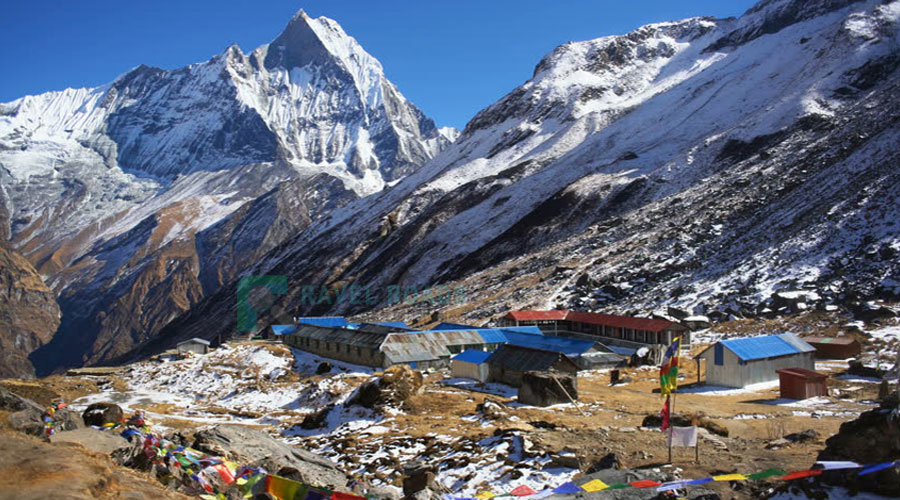
Depart from Naar village by following a trail that passes a small hydro plant, gently climbing into a broad U-shaped valley to the west. The gradual ascent takes you through yak pastures and kharkas, reaching Kang La Phedi (4,530 m/14,862 ft). From here, the trail leaves the pastures and becomes steeper, winding over rocky terrain that can often be icy. After two and half hours of climbing, you’ll arrive at a small flat area of loose scree (5,020 m/16,469 ft), where the trail becomes even steeper. Continue to reach a small glacial lake (5,245 m/17,208 ft). From the glacial lake, the summit of Kang La (5,306 m/17,408 ft) is just half an hour's climb away. The pass, a narrow 3-meter-wide section adorned with prayer flags, offers panoramic views. However, the scenery gets even better as you descend slightly, revealing vistas beyond the rock wall to your right. From here, you can catch glimpses of Machhapuchchhre (Fish Tail Peak) peeking over the ridge that connects Annapurna III and IV. To the west, Tilicho Peak and the entire Manang Valley unfold beneath you, with the Annapurna Circuit trail winding roughly 2,000 meters (6,560 feet) below. The descent from the pass takes you down steep scree slopes—be cautious to avoid triggering rockfall—until you reach approximately 4,500 meters (14,764 feet), where the ground becomes more solid. The trail is straightforward as it leads through azalea and rhododendron bushes, eventually descending along a ridge to reach the village of Ngawal (3,660 m/12,008 ft).
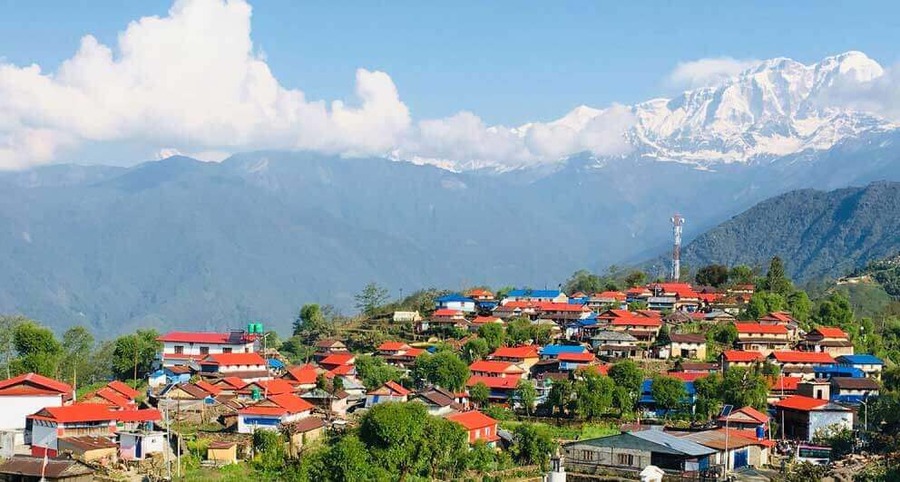
The trek to Upper Pisang is a delightful journey blending scenic beauty with rich cultural experiences. This section of the Annapurna Circuit offers a moderate trek, a refreshing change from the previous high-altitude challenges. Starting with a moderate ascent, the trail heads southeast, gradually climbing through a series of switchbacks and rugged terrain. As you gain altitude, the views of the Annapurna and Manaslu ranges become increasingly breathtaking, rewarding your efforts with continuous visual splendor. Reaching Ghyaru (3,670 m/12,041 ft) is a highlight of the trek. This traditional Tibetan village, perched on a ridge, offers sweeping views of the Annapurna range and surrounding valleys. Ghyaru’s well-preserved Tibetan architecture, narrow alleys, and traditional practices provide a glimpse into rural Tibetan life. The village is also home to a small monastery or chorten, reflecting the region's spiritual heritage and offering a peaceful space for reflection. Continuing from Ghyaru to Upper Pisang involves a descent followed by a more gradual ascent. The trail winds through terraced fields and forests, transitioning from the high-altitude environment to the more temperate conditions of the lower Annapurna region. Arriving in Upper Pisang (3,300 m/10,827 ft) marks the end of the day’s trek. The village features traditional Tibetan-style houses with stone walls and flat roofs, designed for the local climate. The Pisang Monastery, an important religious site, showcases beautiful Tibetan art and provides insight into local Buddhist practices. Upper Pisang also offers panoramic views of the Annapurna range, including Annapurna II and IV, making it an ideal spot for photography and relaxation.
From Upper Pisang, you’ll descend through terraced fields and lush forests, taking in magnificent views of the Annapurna range. Your first notable stop is Dhikur Pokhari (3,060 m/10,039 ft), a serene lake that offers a peaceful environment and a chance to unwind. Continuing, you’ll reach Bhratang (2,850 m/9,350 ft), famous for its picturesque apple orchards, adding a refreshing touch to the trek and showcasing the region’s agricultural heritage. From Bhratang, you’ll proceed to Chame (2,670 m/8,760 ft), the administrative center of the Manang district. This larger village features a variety of amenities and traditional stone houses, providing a lively atmosphere. After exploring Chame, you’ll descend toward Koto (2,600 m/8,530 ft).
The journey from Koto to Kathmandu is an adventure in itself, offering stunning landscapes and a glimpse into rural life in Nepal. Starting early in the morning, you’ll drive along winding roads that take you through picturesque valleys and charming villages, including Timang, Danakyu, Bagarchhap, Dharapani, Taal, and Chyanche. The route descends through terraced fields and forests, following the Marsyangdi River to Besisahar at 760 meters (2,493 feet), a bustling town that serves as a hub for trekkers and travelers alike. As you pass through Besishahar, take a moment to appreciate the vibrant atmosphere, with shops and eateries catering to visitors. Continuing your drive, you’ll follow the Marsyangdi River, with dramatic views of the surrounding hills and mountains. The road can be bumpy at times, but the scenery more than makes up for it. From there, you’ll pass through towns like Malekhu and Dhading, and travel through the Trishuli River basin toward Kathmandu Valley. Arriving in Kathmandu, you’ll find yourself back in the bustling capital, filled with rich culture, history, and endless exploration opportunities.
Our team will accompany you to the airport for your journey back home. If you wish to extend your stay, there are plenty of exciting options like jungle safaris, white-water rafting, a tour of Tibet (Mount Kailash), or even mountain biking adventures. Feel free to ask us for details!
Route Map
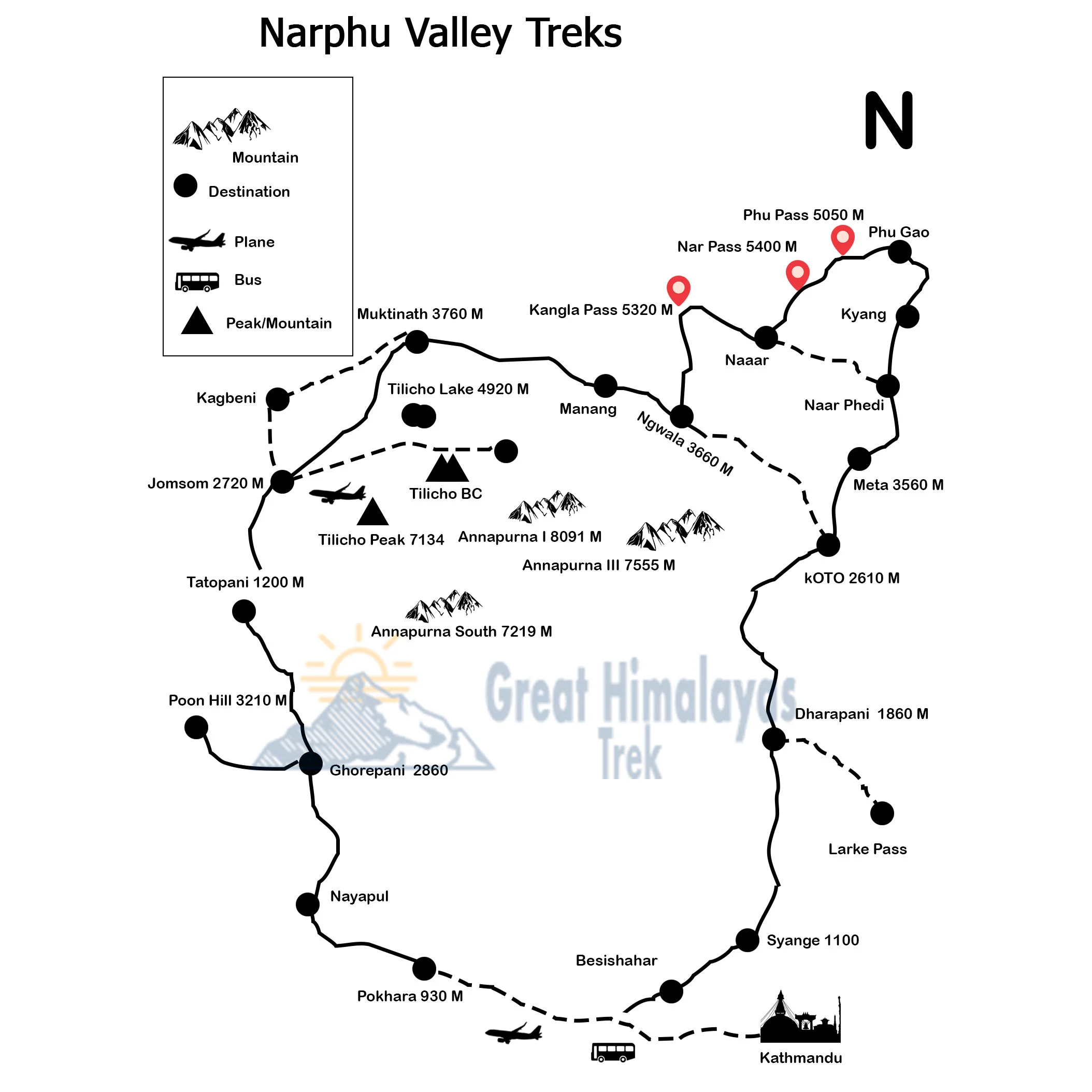 Gallery And Videos
Frequently Asked Question
Group Join Discount
| Nos Of Persons | price per person |
|---|
Upcoming Fixed Departure
| Trip Name | Departure Date | Price | Trip Status | Action |
|---|
UpComming Fixed Departure
Package Reviews And Rating
Write Reviews
Enquiry For Further Information

showing varified reviews