
- info@greathimalayastrek.com
- Kailash Manasarovar Departure Date 2025
 Quick Information
Overviews
An unforgettable adventure to the
Everest Base Camp is a journey that captivates travelers from around the world.
Set against the awe-inspiring backdrop of Mount Everest, standing at 8,848.86
meters (29,031.69 feet), this trek promises a thrilling blend of natural
wonders, cultural encounters, and an experience that will leave you spellbound.
As you traverse the Everest Base Camp trail, prepare to be enchanted by
breathtaking vistas. Every step unveils a picturesque landscape of glaciers,
and lush valleys, all framed by the towering Himalayan peaks. The grandeur of
nature along this trail will leave you in awe.
This trek calls on your adventurous
spirit to overcome obstacles including rugged terrains, suspension bridges over
roaring rivers, and high altitudes and reach the world’s highest trekking
destination, creating unforgettable memories along the way. Immerse yourself in
the warm hospitality of the Sherpa people. Engage with local communities,
explore their ancient traditions, and learn about their mountaineering
expertise. Their fascinating stories and rich culture will add
Join us for this extraordinary
Himalayan escapade. Our meticulously planned Everest Base Camp trek offers the
perfect mix of natural beauty, cultural immersion, and adventure.
Everest Base Camp Trek Facts
Everest Base Camp (EBC) is located in the Khumbu region of Nepal, at an altitude of 5,364 meters (17,598 feet).
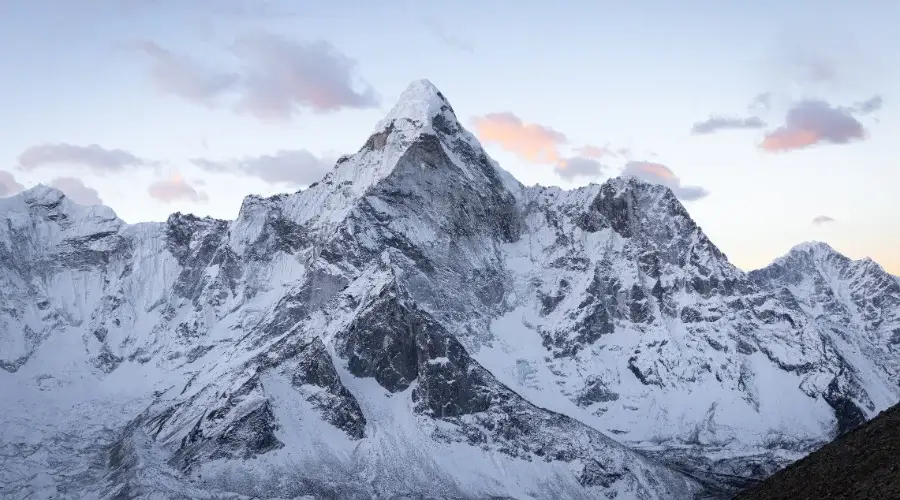
The trek to EBC is one of the most popular trekking routes in the world, known for its stunning scenery, including views of Mount Everest, Lhotse, and Ama Dablam.
The best time to go is during the spring (March-May) or autumn (September-November), when the weather is mild and clear.
The trek is of moderate to challenging difficulty and requires a good level of fitness.
Several trekking companies offer guided treks to EBC.
Sub Peaks
Kala Patthar: Located at 5,545 meters (18,192 feet), Kala Patthar offers stunning panoramic views of Mount Everest and surrounding peaks.
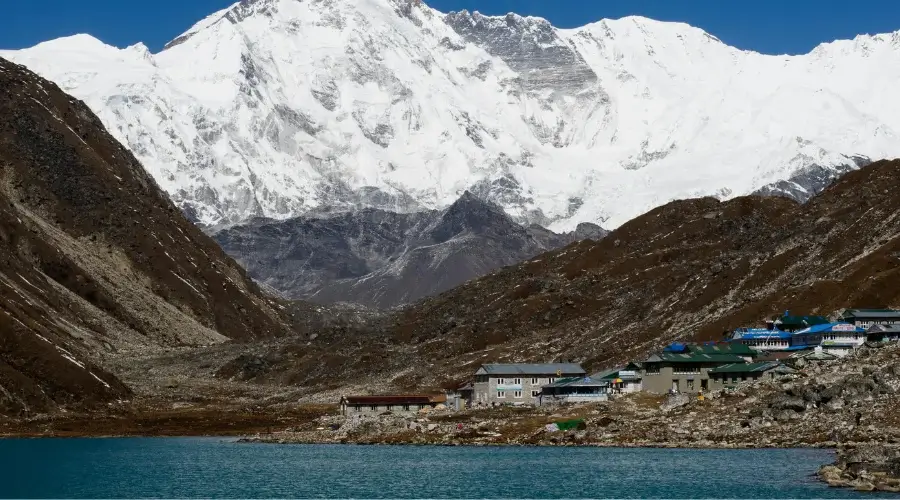
Gokyo Ri: Situated at 5,357 meters (17,575 feet) in the Gokyo Valley, Gokyo Ri provides trekkers with magnificent views of Cho Oyu, Everest, Lhotse, and Makalu.
Island Peak (Imja Tse): A popular trekking peak at 6,189 meters (20,305 feet) that requires technical climbing skills and offers breathtaking views.
Lobuche East: Standing at 6,119 meters (20,075 feet), Lobuche East is another notable subpeak near Lobuche village, often attempted by adventurous trekkers.
Why Trek To Everest Base Camp?
Trekking to Everest Base Camp is a once-in-a-lifetime adventure that promises unparalleled beauty and cultural immersion. The journey takes you through stunning landscapes, where you'll witness the grandeur of the world's highest peaks and be captivated by the Sherpa way of life. Though physically demanding, the trek offers a deep sense of accomplishment as you conquer each step and overcome challenges along the way. Sharing this extraordinary experience with fellow trekkers fosters a strong sense of camaraderie and creates lasting memories. Moreover, the serene Himalayan surroundings provide a perfect setting for self-discovery and introspection, making the trek an opportunity for personal growth and spiritual connection with nature. Embark on this remarkable journey to Everest Base Camp and embark on an unforgettable adventure that will stay with you forever.
Trekking to Everest Base Camp is not just an adventure; it's a transformative experience that leaves trekkers in awe of nature's splendor. From the breathtaking mountain vistas to the welcoming Sherpa villages, every aspect of the trek offers a unique opportunity for exploration and cultural immersion. Though physically challenging, the sense of achievement and the bonds formed with fellow trekkers make it all worth it. As you push yourself to new limits and improve your fitness, the peaceful ambiance of the Himalayas provides a sanctuary for self-reflection and inner growth. Whether you're a seasoned trekker or a first-time adventurer, this extraordinary journey to Everest Base Camp will undoubtedly leave an indelible mark on your soul, reminding you of the power and beauty of the natural world.
How To Trek Everest Base Camp?
Trekking to Everest Base Camp is a challenging and rewarding adventure that requires thorough preparation and research. To embark on this extraordinary journey, trekkers must secure the necessary permits and carefully choose a reputable trekking agency, ensuring safety and a well-organized experience. Starting from the scenic village of Lukla, adventurers traverse through breathtaking landscapes, including lush forests and rugged terrains, while gradually acclimatizing to the increasing altitude. The trek offers unparalleled views of the world's highest mountains, fulfilling the dreams of adventure enthusiasts and nature lovers alike. Throughout the trek, trekkers also get a unique opportunity to immerse themselves in the warm hospitality and rich cultural heritage of the Sherpa community, visiting Buddhist monasteries that add a spiritual and cultural dimension to the adventure. Reaching the iconic Everest Base Camp, surrounded by the awe-inspiring Khumbu Icefall, brings an overwhelming sense of accomplishment, making the entire journey truly unforgettable.
While the trek to Everest Base Camp demands physical endurance, proper packing, and adherence to trekking guidelines, individuals with a moderate level of fitness and a sense of adventure can undertake this incredible expedition. The journey provides an unparalleled chance to form lasting bonds with fellow trekkers and embrace the tranquil beauty of the Himalayas, creating memories to cherish for a lifetime.
How to enjoy Everest Base Camp?
To enjoy Everest Base Camp, follow these steps for a memorable and rewarding experience. First, prepare adequately by researching the best time to trek and obtaining necessary permits. Choose a reputable trekking agency for a safe and well-organized journey. Next, embrace the awe-inspiring views of the world's highest mountains and immerse yourself in the unique Sherpa culture and hospitality. Trek through picturesque landscapes, gradually acclimatizing to the altitude. Stay connected with fellow trekkers to build camaraderie and celebrate achievements together. Finally, savor the sense of accomplishment upon reaching Everest Base Camp and take in the breathtaking sight of the Khumbu Icefall. Enjoy this once-in-a-lifetime adventure amidst the serene Himalayan surroundings, leaving you with unforgettable memories.
Some Highlight points for Everest Base Camp (EBC)
Kala Patthar Sunrise: Climb to Kala Patthar for a breathtaking
sunrise view over Everest and the surrounding peaks, offering one of the most
iconic vistas in the Himalayas. This vantage point provides an unparalleled
perspective of the world’s highest mountain Mount Everest (8848.86 m), and many
other peaks including Lhotse, Nuptse, Pumori, etc.
Everest Base Camp: Reach the base camp of Everest, where you’ll
stand at the foot of the world’s highest mountain, surrounded by the rugged
terrain of the Khumbu Glacier and the vibrant atmosphere of the climbers’ base.
Ancient Monasteries: Tengboche Monastery (3,860 m/12,664 ft), the
largest monastery in Khumbu, offering breathtaking views of Everest and Ama
Dablam, and known for its vibrant festivals, Pangboche Monastery (3,985 m/13,009
ft), one of the oldest monasteries in the region, and Khumjung Monastery (3,780
m/12,402 ft), known for its peaceful setting and the yeti scalp artifact.
Diverse Flora and Fauna: The trek passes through various vegetation
zones, from lush rhododendron forests to alpine meadows, and you might spot
wildlife like the Himalayan tahr or the musk deer.
Sherpa Communities: Immerse yourself in the unique culture and warm
hospitality of the Sherpa people as you trek through villages like Khunde,
Khumjung, Pangboche, Dingboche and Lobuche. Learn about their traditions.
Tengboche Monastery:
Nestled serenely amidst the captivating landscape of the Khumbu region, Tengboche Monastery stands as a revered symbol of Buddhist spirituality. This ancient monastery is a spiritual sanctuary and cultural treasure that holds great significance for the local Sherpa community and trekkers alike. Tengboche Monastery, at an elevation of approximately 3,867 meters (12,687 ft), is one of the most important monasteries in the Everest region, attracting visitors seeking a glimpse into the spiritual heritage of the Himalayas. Tengboche Monastery is a spiritual hub where devotees and trekkers alike gather to find solace and seek blessings for a safe journey ahead. The resonating chants of monks, the fragrance of incense, and the intricate religious murals within the monastery walls create a serene ambiance that invites contemplation and introspection.
Rongbuk Monastery: A Sanctuary at Everest's Doorstep:
Nestled near the base of the awe-inspiring Mount Everest, Rongbuk Monastery holds the esteemed title of being the highest monastery in the world. This sacred abode of Buddhist tranquility serves as a vital rest stop for mountaineers and trekkers on their journey to conquer the world's highest peak. Rongbuk Monastery, located at an elevation of approximately 5,000 meters (16,404 ft), is a testament to the enduring spirituality and cultural heritage amidst the rugged terrains of the Everest region. As trekkers approach Rongbuk Monastery, they are greeted with the harmonious sounds of bells, prayer flags fluttering in the mountain breeze, and an ethereal sense of calm that pervades the high-altitude landscape. The monastery's ancient architecture and spiritual ambiance provide a tranquil haven for weary travelers seeking spiritual solace and respite from the challenging terrain.
Best Season to go Everest Base Camp Trek
When planning your unforgettable Everest Base Camp Trek, it's essential to consider the best seasons for optimal weather conditions and stunning vistas. The ideal time to embark on this adventure is during the spring months from March to May and the autumn months from September to November. These periods offer stable temperatures and clear skies, ensuring a safer and more enjoyable trekking experience. In the spring, the trekking route is adorned with vibrant rhododendron blooms, adding to the scenic charm of the journey. Similarly, during autumn, you can revel in breathtaking mountain views and dry trails, enhancing the overall comfort of the trek. Be sure to avoid the monsoon season, which spans from June to August, characterized by heavy rainfall and potential hazards like landslides. Likewise, the winter months from December to February bring extreme cold temperatures and snow, making the journey perilous. To ensure a successful and safe adventure in the Himalayas, conduct thorough research, obtain necessary permits, equip yourself with appropriate gear, and engage experienced guides for a truly memorable experience.
How can we make this more effective?
Our team consists of knowledgeable and experienced guides who are intimately familiar with the Everest region's terrain, weather conditions, and challenges. Not only do they ensure your safety throughout the trek, but they also enrich your journey with valuable insights, share captivating local stories, and offer expert guidance.
Your well-being is of utmost importance to us, which is why we carefully incorporate acclimatization days into the itinerary. These crucial rest days allow your body to gradually adjust to the increasing altitude, minimizing the risk of altitude sickness. Our vigilant monitoring and proactive guidance ensure you stay in optimal health throughout the trek.
Safety is our paramount concern, and we leave no stone unturned in ensuring a secure trekking experience. Our guides undergo comprehensive training to handle emergencies, and our well-defined safety protocols are designed to keep you protected. Equipped with essential safety equipment, we conduct rigorous risk assessments, and our preparedness to address unforeseen circumstances is unmatched.
We understand that a lighter load enhances your trekking pleasure, which is why we provide skilled porters or yaks to carry your main luggage. This thoughtful arrangement allows you to trek with a lighter daypack, enabling you to fully immerse yourself in the breathtaking scenery and enjoy the journey to the fullest.
Our strong connections with the local Sherpa community open doors to cultural immersion like no other. Through authentic interactions, we offer you the opportunity to experience Sherpa hospitality firsthand, visit ancient monasteries, and partake in vibrant local festivals. Embrace the unique traditions and warm embrace of the Sherpa people during your unforgettable journey.
Your preparation is our priority, and we go the extra mile to provide detailed pre-trek information and assistance. Our team offers comprehensive guidance, helping you prepare both physically and mentally for the challenges that lie ahead. We ensure you are well-equipped to make the most of this life-changing adventure.
How expensive is Everest Base Camp Trek?
The Everest Base Camp Trek is an adventure of a lifetime, but it comes with a moderate price tag. As one of the most sought-after treks in the world, the cost can range from $1,200 to $2,500 per person, depending on various factors. The timing of the trek plays a significant role, with peak seasons being more expensive due to higher demand. The duration of the trek and the level of services and accommodations you opt for also contribute to the overall cost. Longer treks and luxury packages naturally incur higher expenses.
When planning for the Everest Base Camp Trek, it's essential to consider the reputation and reliability of the trekking company you choose. Reputable agencies often offer comprehensive packages that include permits, guide and porter services, accommodation, meals, and sometimes domestic flights from Kathmandu to Lukla. It's crucial to do thorough research, read reviews, and compare different options to find the best value for your money.
While the cost may seem daunting, the experience of trekking to the base camp of the world's highest peak and witnessing breathtaking landscapes and culture is truly unforgettable. As always, safety and the quality of services should be a priority when making your trekking arrangements to ensure a successful and enjoyable journey.
In conclusion, the Everest Base Camp Trek is an awe-inspiring and challenging adventure that offers a once-in-a-lifetime experience for trekkers from around the globe. This iconic journey takes you through the majestic Himalayas, offering breathtaking views of snow-capped peaks, serene landscapes, and glimpses into the unique culture of the Sherpa people. While the trek comes with a moderate price tag, ranging from $1,200 to $2,500 per person, the memories and sense of accomplishment make it worth every penny.
When planning for the Everest Base Camp Trek, it's essential to consider various factors that may influence the cost. These include the trekking season, trekking duration, level of services and accommodations, and the reputation of the trekking company. Peak seasons may lead to higher prices due to increased demand, while longer treks and luxury packages may incur additional expenses.
Embarking on the Everest Base Camp Trek is not only a physical challenge but also a soul-stirring adventure that will leave you with unforgettable memories for a lifetime. Whether you're an experienced trekker or a first-time adventurer, the sense of achievement and the stunning beauty of the Himalayas will make this trek an extraordinary and rewarding experience. So, start planning for this epic journey today and get ready to conquer the heights of the world's tallest peak amidst nature's grandeur and cultural richness.
Cost Include
Cost Exclude
Itenerary
After a hearty breakfast at your hotel, commence on a guided sightseeing tour of Kathmandu. Your first stop is Swayambhunath Stupa (Monkey Temple), perched on a hilltop offering panoramic views of the city. Next, visit Pashupatinath Temple, a sacred Hindu site on the banks of the Bagmati River, where you might witness traditional cremation rituals. Afterward, head to Boudhanath Stupa, one of Nepal’s largest and most significant Buddhist stupas, surrounded by monasteries and vibrant Tibetan culture. After lunch at a local restaurant, continue to Patan Durbar Square, renowned for its exquisite Newari architecture and historic temples. Return to your hotel in the evening, where you can relax or explore Thamel further if you wish.
Start your day with an early morning drive to Ramechhap (494 m/1,620 ft), a journey of approximately 4 to 5 hours through scenic landscapes. At Ramechhap Airport, board a 15-minute flight to Lukla (2,840 m/9,318 ft), the gateway to the Everest region. Upon landing in Lukla, you will be greeted by your trekking crew. Begin your trek towards Phakding (2,610 m/8,563 ft), following the well-marked trail alongside the Dudh Koshi River. From the airport, follow the main paved path lined with shops until you reach a traditional arch, known as a kagni. Here, you’ll start heading downhill. After about an hour, you’ll arrive at Chheplung (2,660 m/8,727 ft), the first of many places with cozy teahouses and intricately carved mani stones, prayer wheels, and chhortens built by Buddhist communities across the Himalayas. The trail then gently rolls through Nurning and Ghat, with brief stretches of pine forest and colorful mani stones, leading you to Phakding (2,610 m/8,563 ft) in about 2 hours. The trek to Phakding takes around 3 hours and provides lovely views of the surrounding landscapes and local villages. Upon arrival in Phakding, settle into a cozy tea house, enjoy a warm meal, and relax after your journey.
From Phakding, the trail crosses a long suspension bridge to the right side of the river, then follows a gently rolling path that locals might call ‘flat.’ Just before Benkar (2,630 m/8,629 ft), a lovely waterfall is a perfect photo spot. After 1.5 hours, you cross back to the left side of the Dudh Kosi and climb a bit to reach Monjo (2,835 m/9,301 ft). Ahead, the trail climbs up to a notch between a big rock and the hillside, where you’ll find the Sagarmatha National Park entry post where you need to register. You’ll go down stone steps to another suspension bridge and cross to Jorsalle (2,740 m/8,990 ft) on the right side. From Jorsalle, continue on a wide path to a new bridge, cross to the left side, and follow an easy riverside trail. You’ll then have a slight climb to Larja Bridge, decorated with prayer flags. After crossing Larja Bridge, you start a long, steady climb with the reward of resting in Namche (3,440 m/11,286 ft). Early in the climb, the trail makes a sharp left on the ridge, giving you your first view of Mt. Everest. The trail continues with switchbacks that become gentler as it winds through pine forest. Before reaching Namche Bazaar, there is a police checkpost where you need to register. Upon arrival in Namche Bazaar, settle into a cozy tea house, enjoy a warm meal, and relax after your journey.
Located between two ridges and surrounded by the towering peaks of the Khumbu region, Namche Bazaar is a vibrant market town with plenty to explore. It’s the perfect spot to take a break and adjust to the altitude before continuing toward Tengboche. If you’re here on a Saturday, wake up early to see the bustling market where Tibetan and Sherpa traders haggle. For acclimatization, you can hike to Khunde Village (3,840 m/12,598 ft) to visit the hospital founded by Sir Edmund Hillary. You can also explore Khumjung Village (3,780 m/12,402 ft), home to a monastery known for displaying the legendary yeti scalp. Another option is a one-hour walk up to the Everest View Hotel, offering stunning sunset views of Ama Dablam, Nuptse, Lhotse, and Everest. If you have time, consider a looped day walk to visit the Sagarmatha National Park Museum, perched on the ridge above town. In the evening settle into a cozy tea house, enjoy a warm meal, and relax.
Stark your trek towards Tengboche (3860 m / 12664 ft) after breakfast. From Namche Bazaar, the trail winds along the valley side, high above the Dudh Koshi River. This is where you get your first stunning views of Khumbu’s towering peaks, including Mt. Everest, Lhotse, Nuptse, and Ama Dablam. As you pass small settlements with many teashops, you’ll descend steeply to a bridge at Phungi Thanga (3,250 m / 10,663 ft), a great spot for a lunch break. After resting, prepare for a challenging climb up to Tengboche Monastery, one of the most impressive monasteries on the Everest Base Camp trek. The steep, zigzag path is tough, but it offers beautiful views of rhododendron bushes, colorful birds, and magnificent mountain scenery. Tengboche (3,860 m/12,664 ft) is renowned for its grand monastery, the largest in the Khumbu region, and provides a breathtaking panorama of Everest, Lhotse, and Ama Dablam. Upon arrival in Tengboche, settle into a cozy tea house, enjoy a warm meal, and relax after your journey.
Start your day early to go to Tengboche for the morning puja (prayers), aiming to arrive by 7:00-7:30 am. Enter the gompa quietly. If you’d like to receive a blessing from a senior monk, bring a ‘khada’ (silk blessing scarf). The Tengboche Gompa was originally built in 1916 but has been rebuilt several times due to earthquakes and fire. The current gompa stays true to its original design and provides a serene environment for the young monks who live there. After visiting the gompa, consider climbing the ridge above Tengboche for even better views of the surrounding peaks, including Mt Everest and Ama Dablam. The views improve as you climb, reaching a chhorten. After breakfast start your trek through the beautiful pine, rhododendron, and birch forest to reach Deboche (3,820 m/12,533 ft). Leaving Deboche, descend an easy trail, cross a bridge, and then climb to Pangboche (3,930 m/12,894 ft) in about an hour. Pangboche is home to the oldest gompa in the region. Many trekkers stay in lower Pangboche to acclimate more slowly. From Pangboche, follow the trail alongside the Imja Khola, which leads to a major trail junction (4,175 m/13,698 ft) with a teashop. Take the right fork, cross a bridge, and continue up above the Imja Khola to reach Dingboche (4,410 m/14,469 ft). Upon arrival in Dingboche, settle into a cozy tea house, enjoy a warm meal, and relax after your journey.
Today is set aside for acclimatization and a bit of exploration. Start your adventure by hiking up to Nangkartshang Peak (5,083 m/16,677 ft). From this stunning vantage point, you’ll be treated to panoramic views of the surrounding mountains. Gaze upon the towering peaks, including Mt. Makalu (8,463 m/27,766 ft), Lhotse (8,516 m/27,490 ft), Cho Oyu (8,201 m/26,906 ft), Imja Tse (Island Peak) (6,165 m/20,226 ft), Ama Dablam (6,814 m/22,356 ft), Khangtega (6,783 m/22,254 ft), Thamserku (6,623 m/21,729 ft), Tawoche (6,501 m/21,329 ft), and Cholatse (6,423 m/21,073 ft). Upon your return, take some time to explore Dingboche or simply relax at your lodge. Alternatively, you could hike to Chhukung Village (4,730 m/15,518 ft), which is the last village before reaching Island Peak. For a more challenging adventure, consider climbing Chhukung Ri (5,550 m/18,209 ft) to get spectacular views of Imja Tse (Island Peak), Imja Glacier, Ama Dablam, Makalu, and Nuptse. Note that an early start from Dingboche will be necessary for this option. Whether you choose to stroll around the village or enjoy a restful day, you’ll find plenty of ways to enjoy the serene beauty of your surroundings. At Dingboche, settle into a cozy tea house, enjoy a warm meal, and relax.
Today, you’ll trek up the expansive valley, with the impressive peaks of Cholatse and Tawoche on your left. Then, you’ll turn right and make a steep ascent toward the Khumbu Glacier's base. Thogla (Dughla) (4,620 m / 15,157 ft) offers a great place for lunch. The trail then winds its way through the boulders of the glacier’s terminal moraine. At the top, you’ll find many stone cairns, memorializing Sherpas and climbers who have lost their lives on Mt. Everest. The trail continues with a gentle climb alongside the glacier, leading you to the settlement of Lobuche (4,910 m/16,109 ft). Upon arrival in Lobuche, settle into a cozy tea house, enjoy a warm meal, and relax after your journey.
An early start is essential to reach Gorak Shep (5,140 m/16,864 ft). As you trek, you’ll be treated to breathtaking views of the surrounding peaks, especially as the trail proceeds alongside the glacier, passing the junction leading to the Italian Research Centre pyramid and crossing the snout of the Changri Shar Glacier. Kala Patthar, known as the “black rock,” is prominently visible ahead, while Gorak Shep, marked by a cluster of teahouses beside a small lake, awaits. You will head straight to Gorak Shep (5140 m/16864 ft) to unload your gear. Take this opportunity to rest and monitor for signs of altitude sickness before you continue to Everest Base Camp (5,364 m/17,598 ft). The trek to the base camp takes several hours, winding through ice pinnacles and navigating the crevasses of the Khumbu Glacier. As you near Everest Base Camp, the formidable Khumbu Icefall comes into view on your right, appearing much more intimidating than from other vantage points. Since most expeditions prefer privacy and security at their camps, it’s important to respect their space and avoid wandering through the camp areas uninvited. On your return, consider taking a higher route for a stunning view of the Khumbu Icefall and the path to the South Col. You’ll end the day back at Gorak Shep. Upon arrival in Gorak Shep, settle into a cozy tea house, enjoy a warm meal, and relax after your journey.
Early in the morning, you begin your ascent to one of the most iconic viewpoints in the Everest region, Kala Patthar (5,550 m/18,209 ft). From the teahouse at Gorak Shep, head north by northeast, climbing towards a rocky summit draped with prayer flags. The trail is steep, so you will take it at a steady pace to comfortably reach the summit. Once at the top, the views are unmatched. This spot offers one of the most breathtaking views of Mount Everest, the tallest point on earth, along with the majestic peaks of Nuptse, Lhotse, and Pumo Ri. Mount Everest (8,848.86 m/29,031.69 ft) stands magnificently, offering an up-close glimpse of its towering peak. Lhotse (8,516 m/27,940 ft) is also visible, showcasing its dramatic southern face, while to the southwest, the rugged ridges of Nuptse (7,855 m/25,771 ft) provide a striking contrast. The distinctive pyramid shape of Pumori (7,161 m/23,494 ft) rises to the west, enriching the panoramic scenery. You can also admire Lintren (6,713 m/22,024 ft) and Khumbu Tse (6,639 m/21,782 ft), adding to the incredible mountain tableau. The surrounding glaciers and peaks complete this awe-inspiring view, making Kala Patthar one of the finest vantage points in the Everest region. After spending time on the summit, you will descend back to Gorak Shep. The return journey to Gorak Shep along the same trail takes approximately 45 minutes. From there, you continue your descent to reach Pheriche (4,240 m/13,911 ft). Upon arrival in Pheriche, settle into a cozy tea house, enjoy a warm meal, and relax after your journey.
Today’s journey is mostly downhill. You’ll follow the river and, after crossing it, climb back up through birch and rhododendron forests to reach Tengboche. Along the way, you’ll enjoy views of some of the Himalayan giants, including Kwangde, Tawoche, Everest, Nuptse, Lhotse, Ama Dablam, Kantega, and Thamserku. From Tengboche, the trail descends to the bridge over the Imja River. From there continue the trek back to Namche Bazaar (3,440 m/11,286 ft). Upon arrival in Namche Bazaar, settle into a cozy tea house, enjoy a warm meal, and relax after your journey.
On this day, the trek follows the Dudh Koshi River back down to Lukla (2,840 m/9,318 ft). As the journey comes to an end, the evening calls for a celebration. You gather with your Sherpa guides and porters to mark the occasion, sharing laughter, and even trying a few Sherpa dance moves. It’s a joyful conclusion to a memorable adventure, leaving you with fond memories and a smile.
With the trek behind you, the day starts early as you head to the airstrip for a short flight (15 min) back to Ramechhap (494 m/1,620 ft.). From there, a private vehicle will take you on a scenic drive to Kathmandu (1,340 m/4,396 ft) in 4 to 5 hours. The rest of the day is yours to enjoy as you please. You might want to do some last-minute shopping, pack for your journey home, or take a relaxing stroll through Thamel, a lively tourist hub.
Today is set aside as a buffer in case of any delays with the Lukla flight. If the day is free, it’s a perfect opportunity to unwind after your trek in the Himalayas. You can explore the rich cultural heritage sites around the city, wander through the vibrant streets of Kathmandu or a taste of local life, visit nearby monasteries for a spiritual experience, relax at a spa to soothe your muscles, or hunt for souvenirs in the bustling local bazaar.
Our team will accompany you to the
airport for your journey back home. If you wish to extend your stay, there are
plenty of exciting options like jungle safaris, white-water rafting, a tour of
Tibet (Mount Kailash), or even mountain biking adventures. Feel free to ask us
for details!
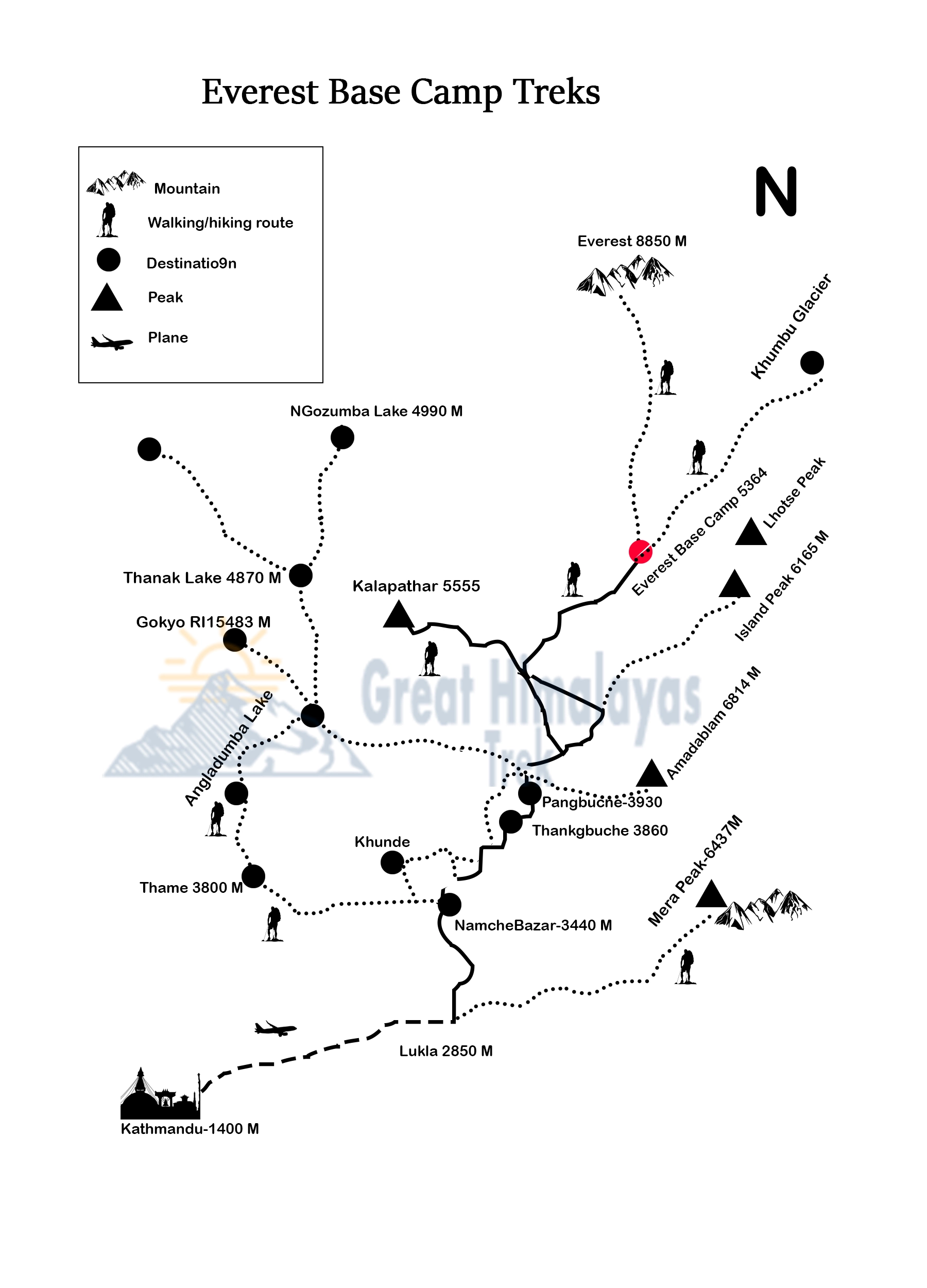
Route Map
 Gallery And Videos
Frequently Asked Question
Group Join Discount
| Nos Of Persons | price per person |
|---|
Upcoming Fixed Departure
| Trip Name | Departure Date | Price | Trip Status | Action |
|---|
UpComming Fixed Departure
Package Reviews And Rating
Write Reviews
Enquiry For Further Information

showing varified reviews